Originally posted by Jerry Wieland
View Post
-
Did '36/37 have inboard or outboard straight zerks? So if post #31 is a '36, then were they made with outside zerks, removed in '38 then put back on again in '39? Jerry, I see the leg you are using has both outside and inside zerk bosses, are you removing the outside ones or leaving them? Also, in your 1st post you show what appears to be a NOS black painted leg in your fixture, it looks like it has outside zerk bosses, what year is that leg supposed to be? Thanks, BobLast edited by BigLakeBob; 12-23-2013, 03:06 AM. -
Len I have only ever seen straight zerks and that is what the literature always seems to show. I personally believe the zerk change occurred in mid production 1938.Originally posted by len dowe View Post
JerryLeave a comment:
-
I looked at all 5 of 36/37 springers that I have here (stock and chopped) with the small fender tabs and none of them have the dent in the upper tube. Is it possible that some piece of equipment these things carried could have put it there?
Jerry
Originally posted by riverbend View PostLeave a comment:
-
The rear leg notch ended in 38 for the early damper. Debate is too inboard or outboard zerks with angled or straight grease zerk fittings.Leave a comment:
-
Ok I'm confused,which is easy to do by the way. My knowledge of fork year differences is mainly from Palmers. I attached some photos of what I believe is a 38 rear leg. Why in post #31 are there grease fitting bosses on the outside if that is a '36 leg? Thanks, BobLeave a comment:
-
Riverbend, Interesting! Maybe Matt, Carl or others can jump in and shed some light on this mystery dent.Leave a comment:
-
When matt olson had his oem37 at Wauseon 2-3 years ago i remember it having it, like I said I am not the expert but I have seen it on 3 forks that I am aware of, 2 of which I own .Leave a comment:
-
Jerry, Thank you for the clarification and photo.
Riverbend, Thank you for the photo. I have two 36 forks and neither have the dent as in your photo.Leave a comment:
-
Rock I think with the 'little grove on the inside of the neck stem' he is talking about the groove that the early springers used for the steering dampner.

as seen on the right hand side of the stem hole bottom.
JerryLeave a comment:
-
Jerry, Nice work!
Riverbend, I'm not understanding what you mean by "the little dent in the side of the main beam just above the curve, the little groove on the inside of the neck stem". Can you or anyone else explain what this is? I was only aware of the 36 cable mount screw hole, narrow fender braces, grease fitting locations and brazed non- casted brake anchor.ThanksLeave a comment:
-
Bob The files I am using now are actually Nicholson Mill Bastard (somehow I have never like that expression) files and for the most part they are good but even they make a cupped one on occasion. I have been buying them at my local farm supply store. If they say anything but 'Made in USA' I usually walk right on by. Especially if they say Pakistan, India, Bangladesh, Taiwan, China, Brazil, Argentina or a few other places.Originally posted by BigLakeBob View Post
JerryLeave a comment:
-
[QUOTE
Speaking of which does anybody know where or from who a good 'flat' flat file can be gotten. Most files today actually have a slight cup to them which makes the art of filing a lot more difficult.
Jerry[/QUOTE]
Jerry, I use Nicholson 'Mill Bastard' on a daily basis. I do not find them to have a 'slight cup'. I like the 6" size. They are made in the USA still and are available through MSC. Bob#6738Leave a comment:
-
This is what the left side of the main brace looks like on an early springer. This springer is my NOS 1937 rear leg that has the narrow reinforced fender tabs. Right side looks the same only without the threaded hole.

This next picture shows what the right leg of the springer I am working on looks like - so we need to do some doctoring on them.
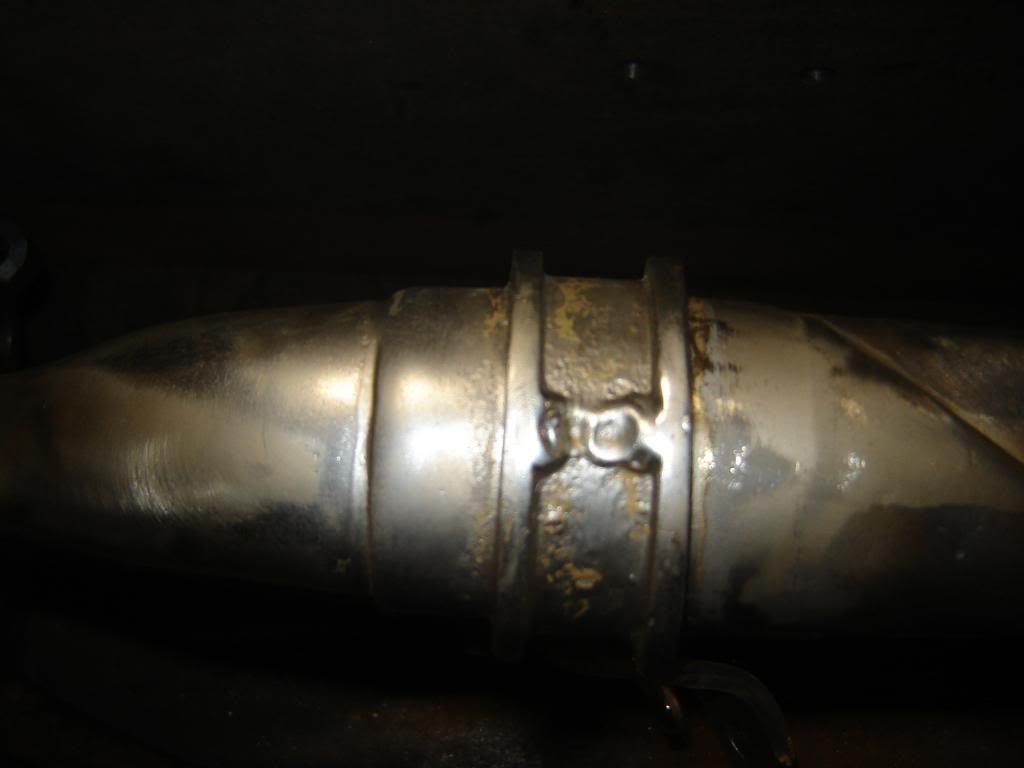
This is a picture of the right leg after I've done the necessary grinding and finishing.
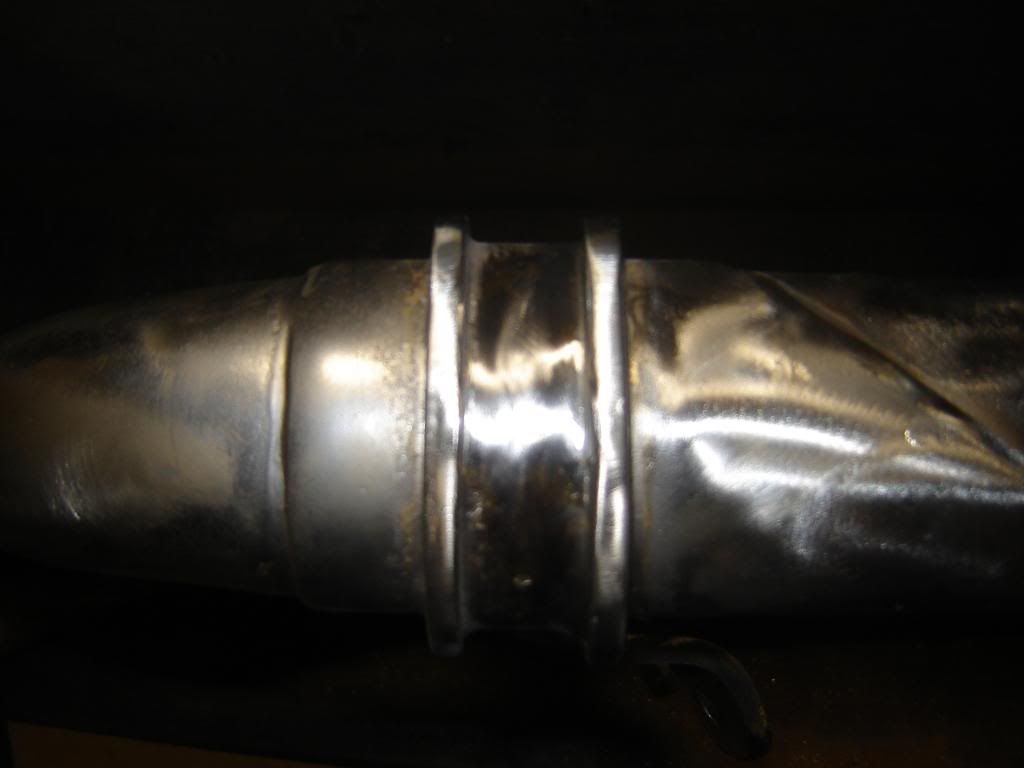
My camera seems to be eating pictures again but anyway I was supposed to have a picture of this left leg only before I had done any finish work.
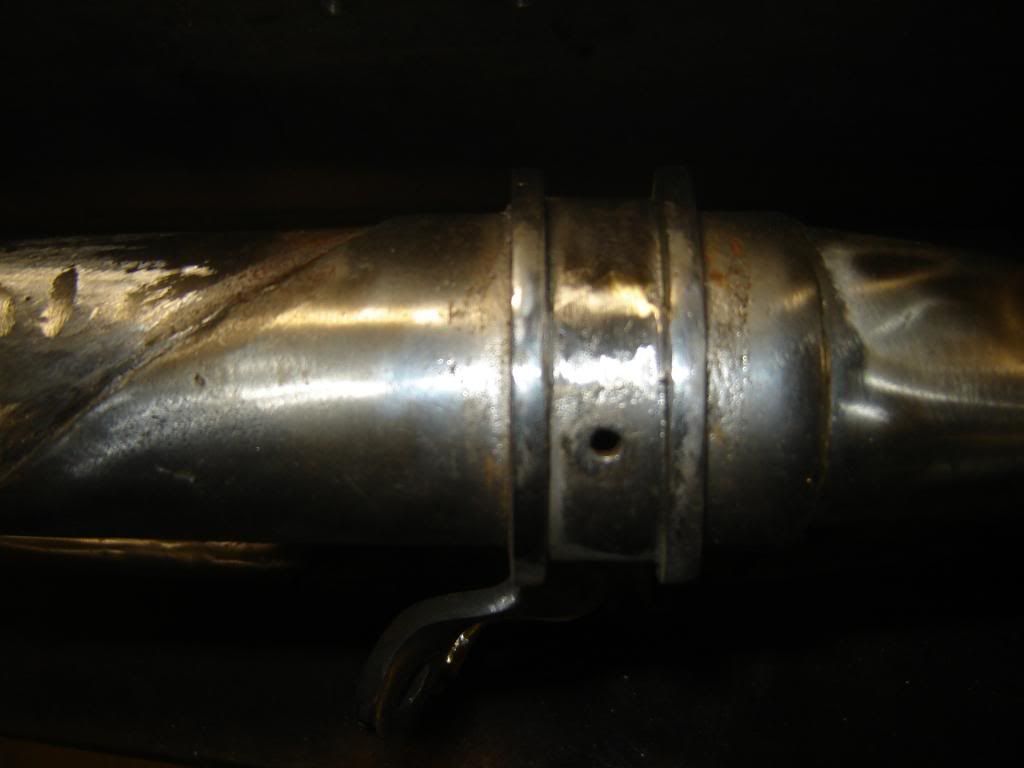
Here is after I've welded the hole up and did most of the finishing.
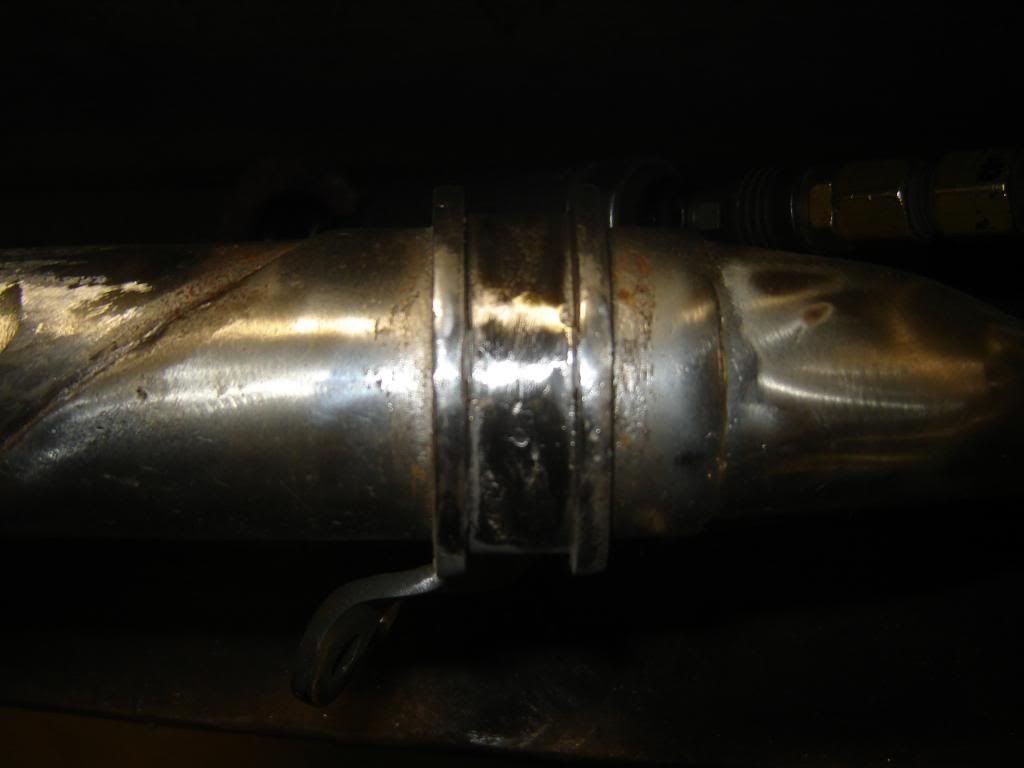
I do not think that the difference shown here was a matter of cosmetic or attention to detail as much as it was a difference in assembly technique. The early springers were almost entirely brazed and the later springers were partially welded. Braze joints by their very nature tend to lay flatter than a welded joint.
Again I was supposed to have a picture of the threaded hole being in the center of the leg but when I got the camera home it was not to be found. Rest assured it was done.
JerryLast edited by Jerry Wieland; 12-20-2013, 09:44 PM.Leave a comment:
-
go here for files. these are made for the jewelery industry. swiss made.
http://www.stuller.com/browse/tools-...-by-shape/flatLeave a comment:


Leave a comment: